How to write BDD scenarios? • BDD Testing

In this third and final article in the series, Anatomy of a User Story, I will discuss the Behavior-Driven Development (BDD) approach to acceptance criteria: scenarios. March 4, 2020. In my previous installment about user story acceptance criteria, I focused specifically on the rules-oriented style which informs about a feature’s end-state.. BDD is a collaborative process that creates a shared understanding of requirements between the business and the Agile Teams. Its goal is to help guide development, decrease rework, and increase flow. Without focusing on internal implementation, BDD tests are business-facing scenarios that attempt to describe the behavior of a Story, Feature, or.
Persona and scenarios Figma Community
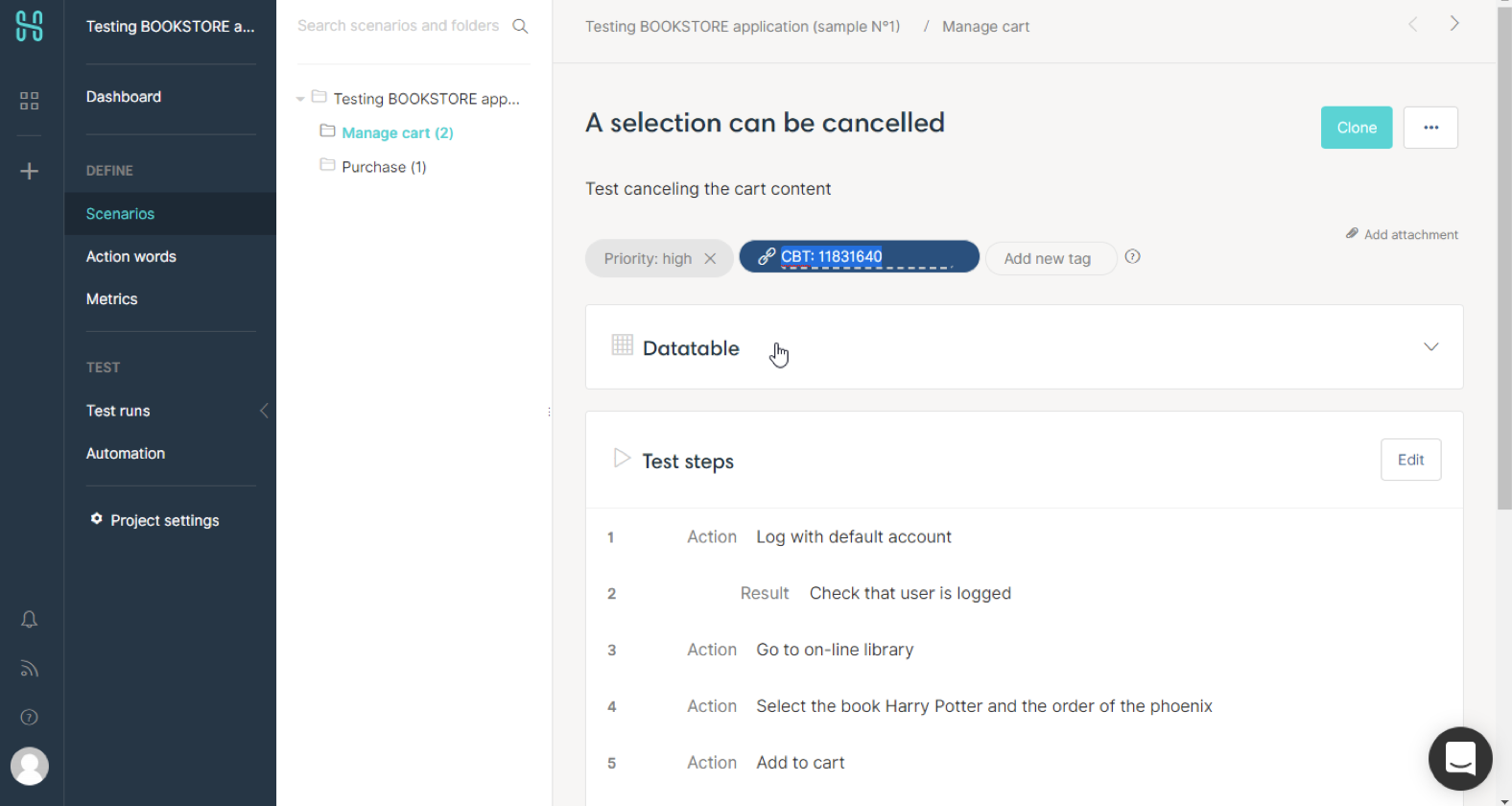
How to execute your BDD scenarios with CrossBrowserTesting
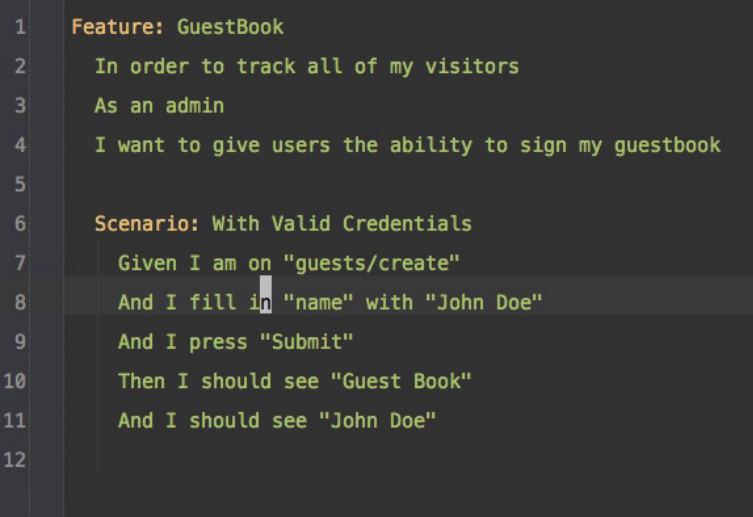
How you could record and visualize BDD scenarios with WalkHub Pronovix
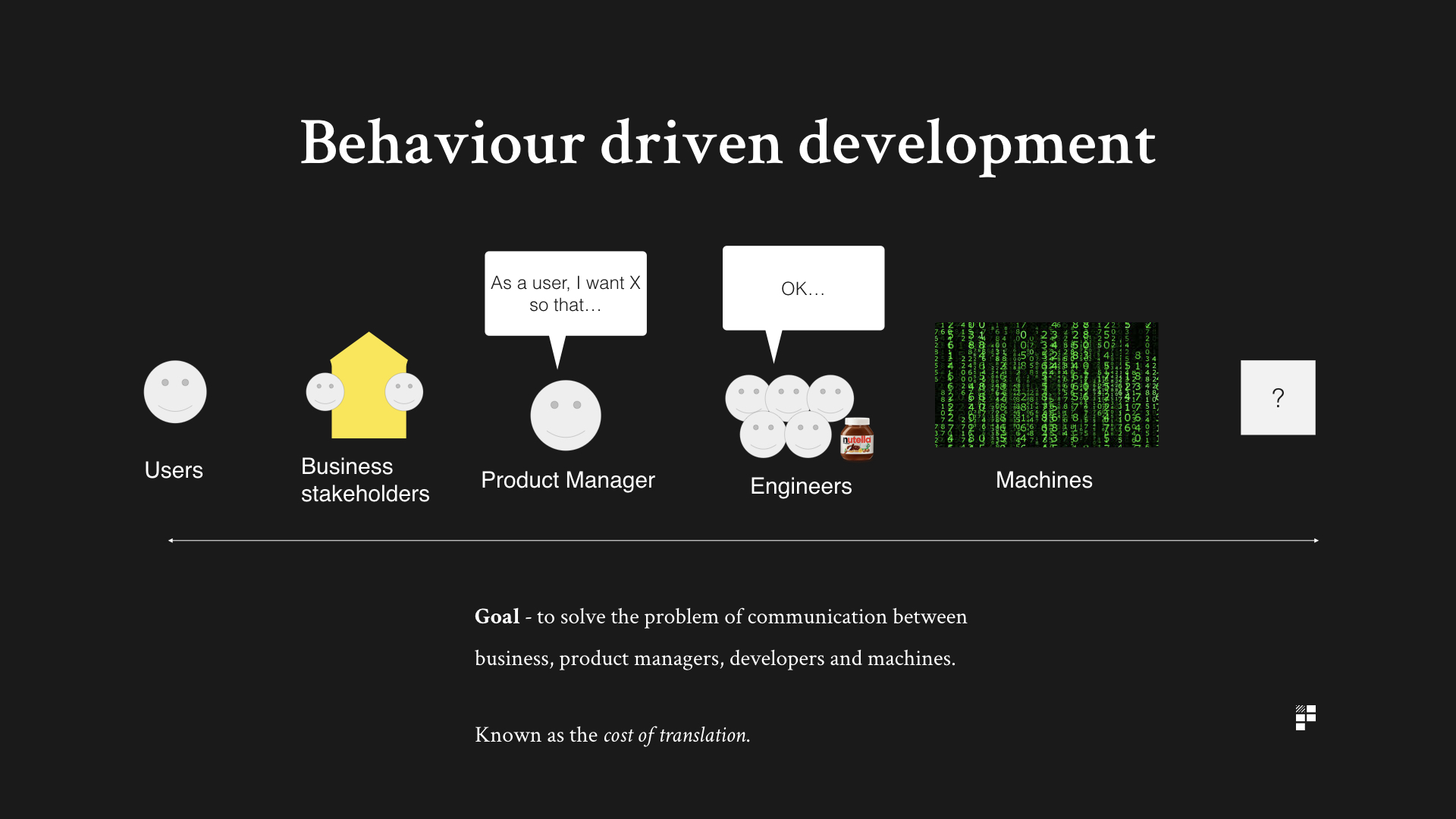
How to write BDD scenarios? • BDD Testing

The BDD Scenarios Download Scientific Diagram

BehaviorDriven Development (BDD) QA Tech Hub

Personas, scenarios, behavioural matrices on Behance

Personabased scenarios can be leveraged to influence design through guided brainstorming
“BDD story” template [27] Download Scientific Diagram

How to Create a User Persona (with Examples) CleverTap Personas design, Customer persona
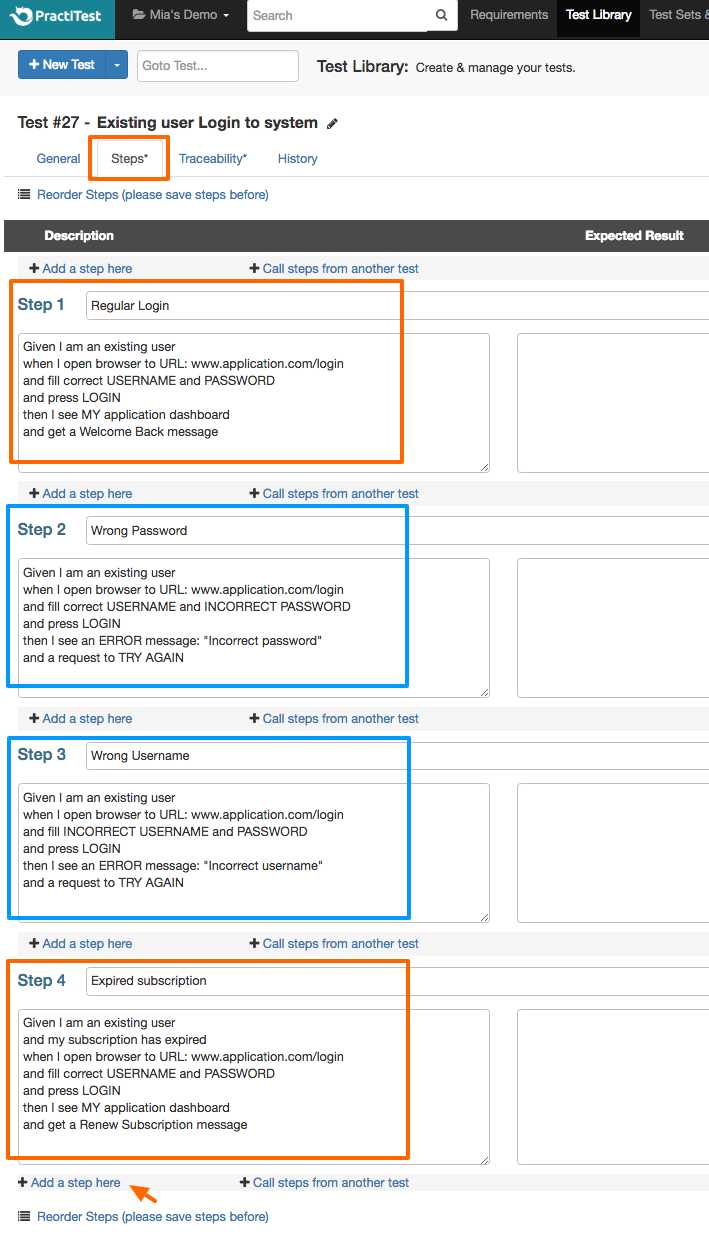
What is BDD How to Test Behavior Driven Development

User Persona & Scenario Template FREE DOWNLOAD Behance

INFOGRAPHIC 10 Steps to Personas (IxD Encyclopedia Chapter 30) Persona examples, Interactive
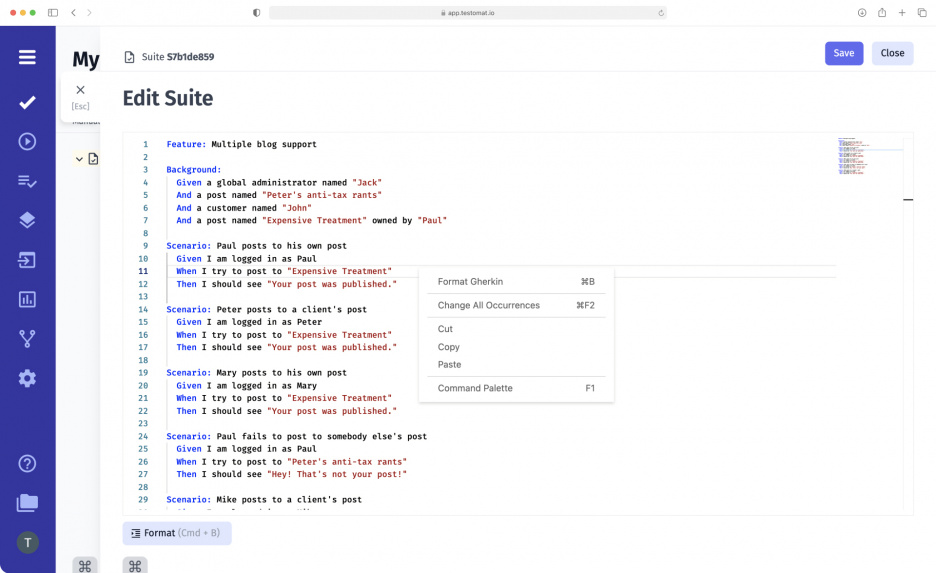
Enhance BDD with Testomat.io’s Smart Gherkin Editor

Writing Better BDD Scenarios YouTube

Best Customer Journey Map Templates and Examples

Creating personas for effective user stories YouTube
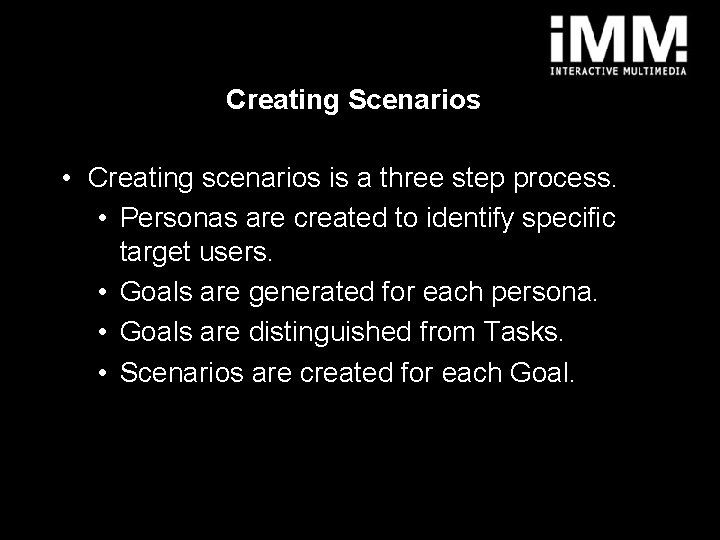
Creating Scenarios Creating scenarios is a three step

Behavior Driven Development (BDD) an indepth look
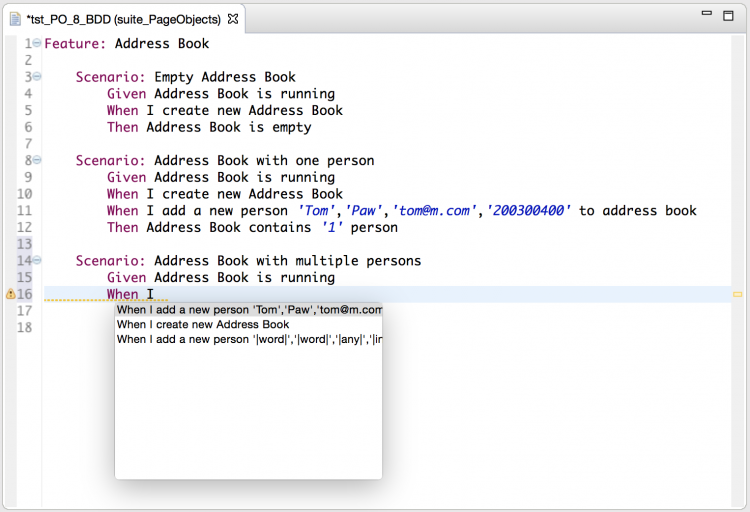
Approaches to creating BDD Scenarios
A BDD scenario is a written description of your product’s behavior from one or more users’ perspectives. Scenarios are designed to reduce the cost of translation and make it easier for your engineers to understand the requirements and for your QA (if you have one) to test it properly.. We should start by giving the scenario an intention revealing name, and then follow through by ensuring that every line in the scenario describes intent, not mechanics. Common anti-pattern: using UI terminology (e.g. click button, follow link). Essential: The purpose of a scenario is to illustrate how a rule should behave.