How To Draw A Reflex Angle
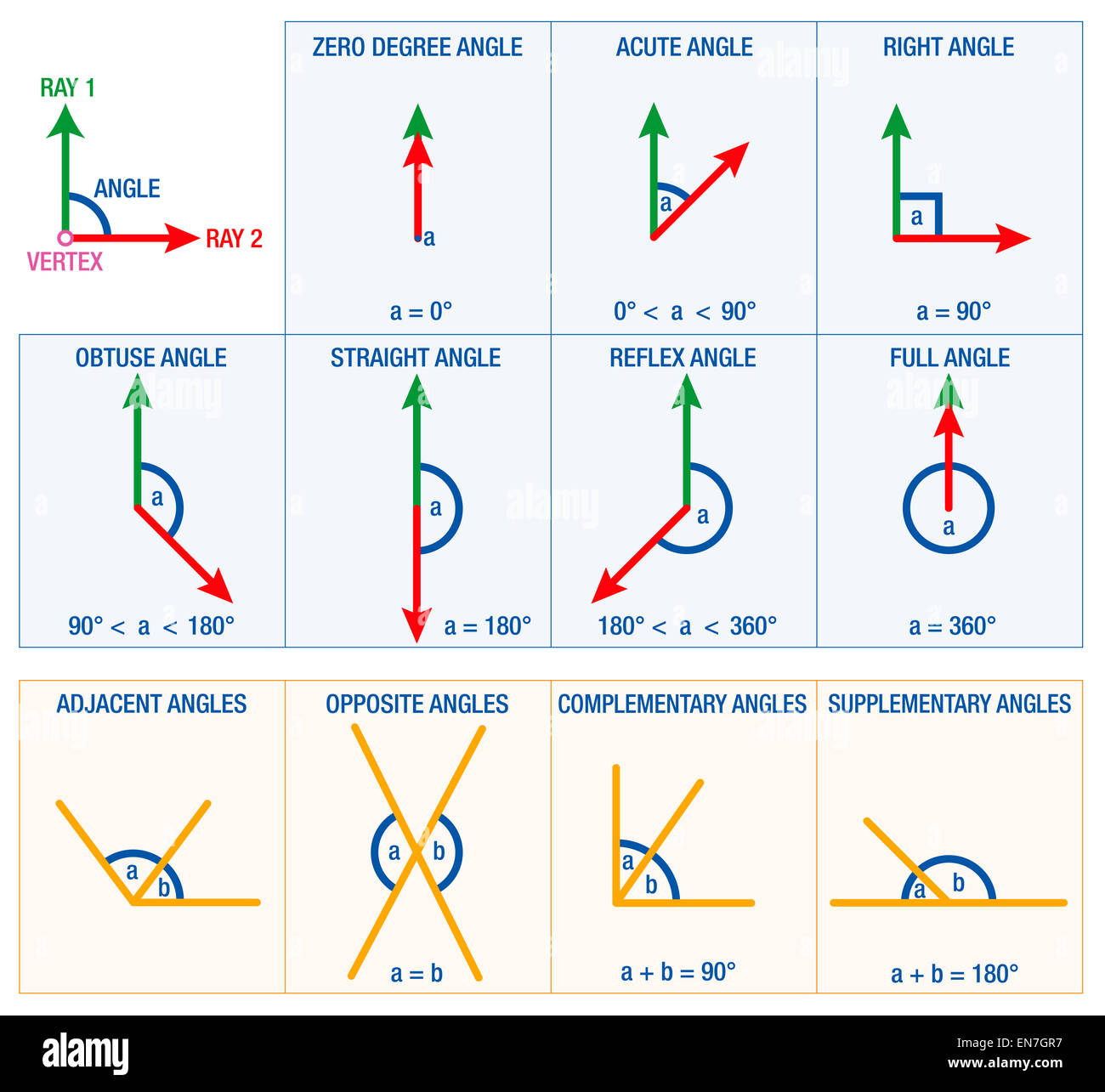
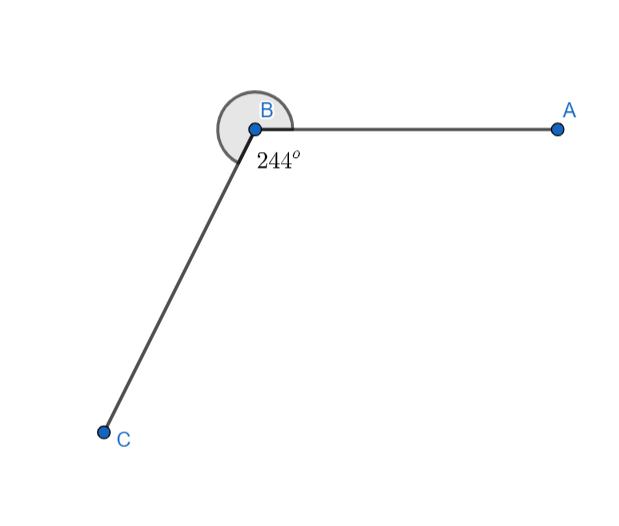
A reflex angle is an angle that measures more than 180° and less than 360°. In other words, a reflex angle is equal to the sum of 180° and any of the other primary angles such as acute, obtuse, or right angle. Reflex Angle. Thus, for every acute or obtuse angle, there is a reflex angle. Mathematically, the relation is given as,. There are two ways to measure a reflex angle: 1. Measure the inner angle and then subtract it from 360. 2. Use a full-circle protractor. It is always handy to teach angle measuring without a full-circle protractor to develop key math skills. Because a reflex angle is larger than the standard 180 degree protractor, it can be very tricky to.
Angles from geometry and mathematics science, like ACUTE ANGLE, RIGHT ANGLE or REFLEX ANGLE
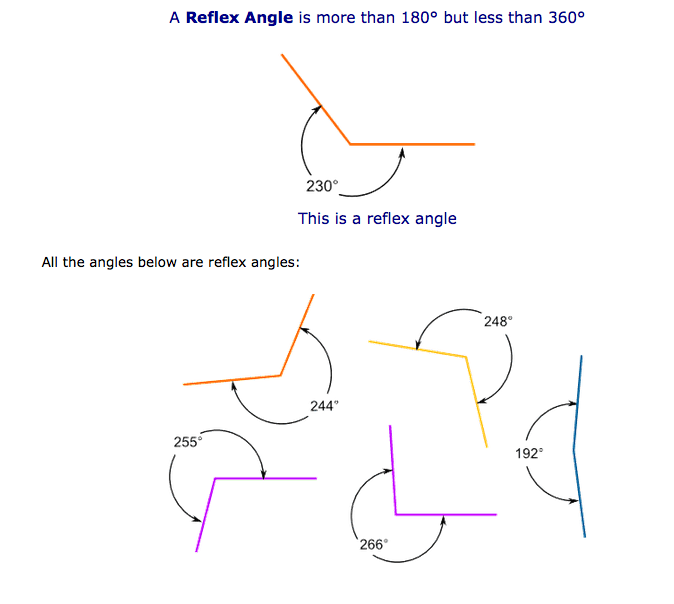
Reflex Angles YR4 WPS

Examples Of Reflex Angles In Real Life

Types of Angles A reflex angle is more than 180° A right angle equals 90° 90 ° An acute angle is
Which of the following is a reflex angle?A) {{180}^{o}} B) {{360}^{o}}C) {{204}^{o}}D
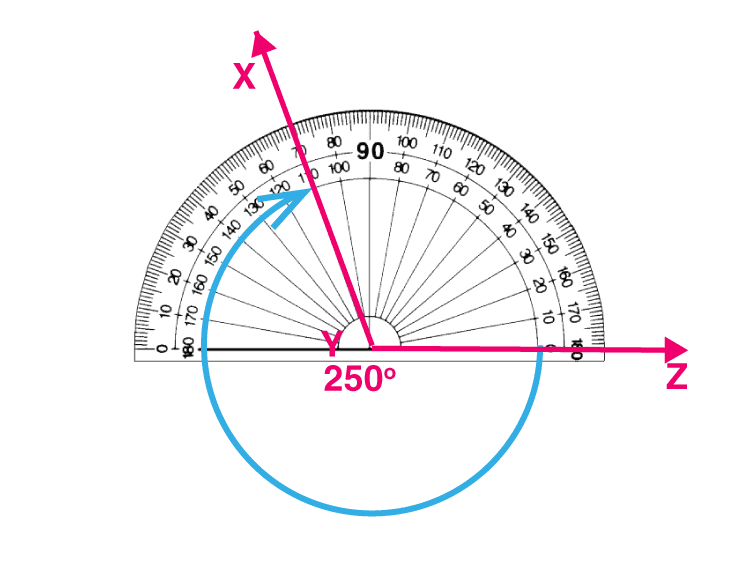
Reflex Angle Definition, Diagram, Example, How to Draw

Reflex Angle Reflex Angle Definition DK Find Out
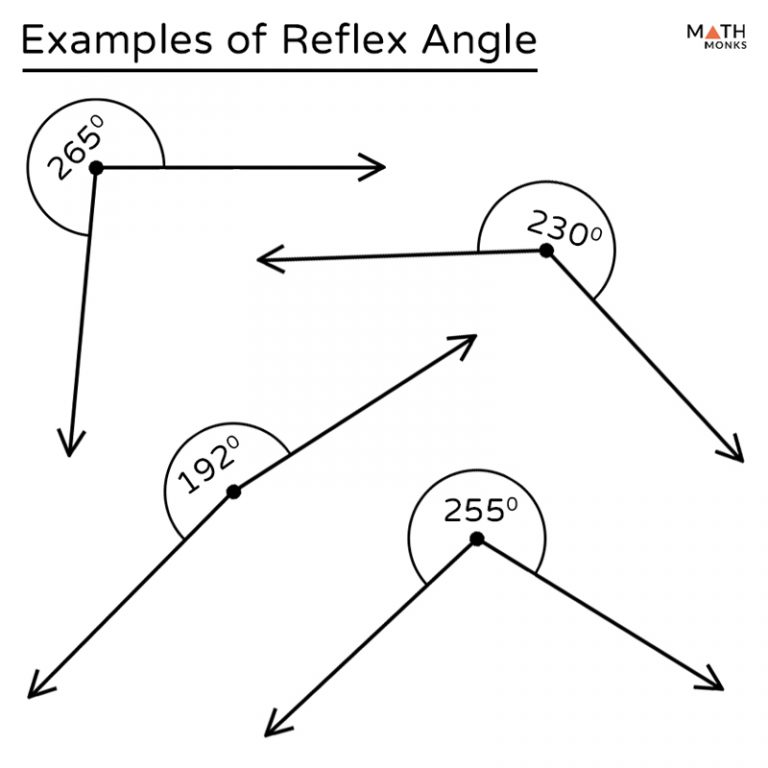
Reflex Angle Math Monks
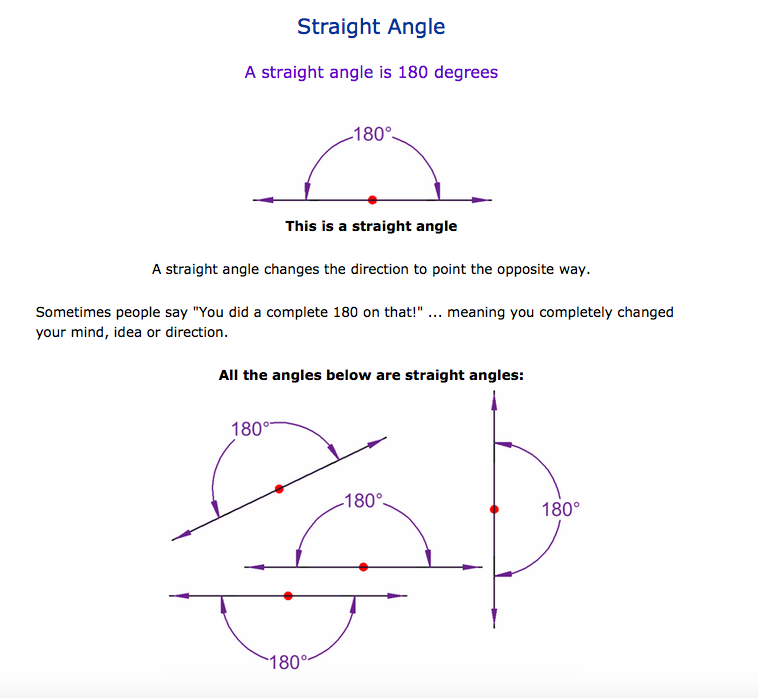
Reflex Angles YR4 WPS
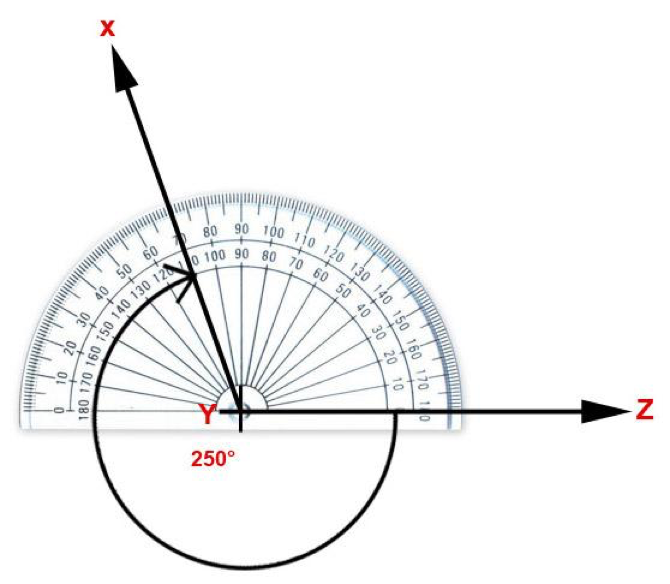
whatisareflexangle

Types of angle (Straight angle, Reflex angle, Complete angle). YouTube
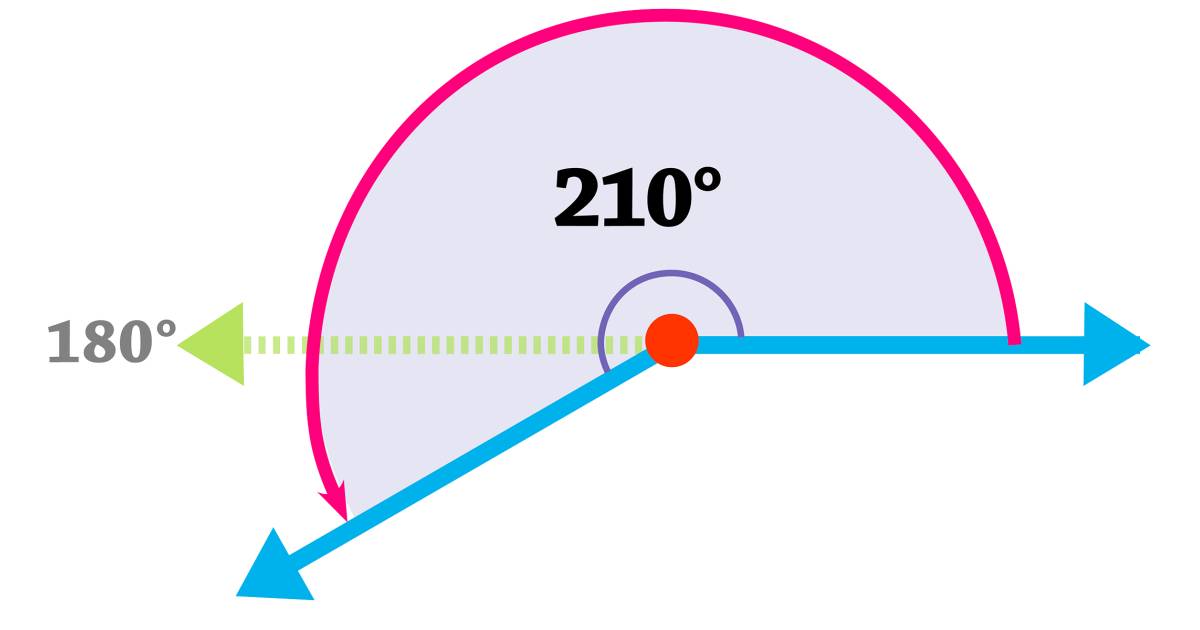
Reflex Angle Reflex Angle Definition DK Find Out
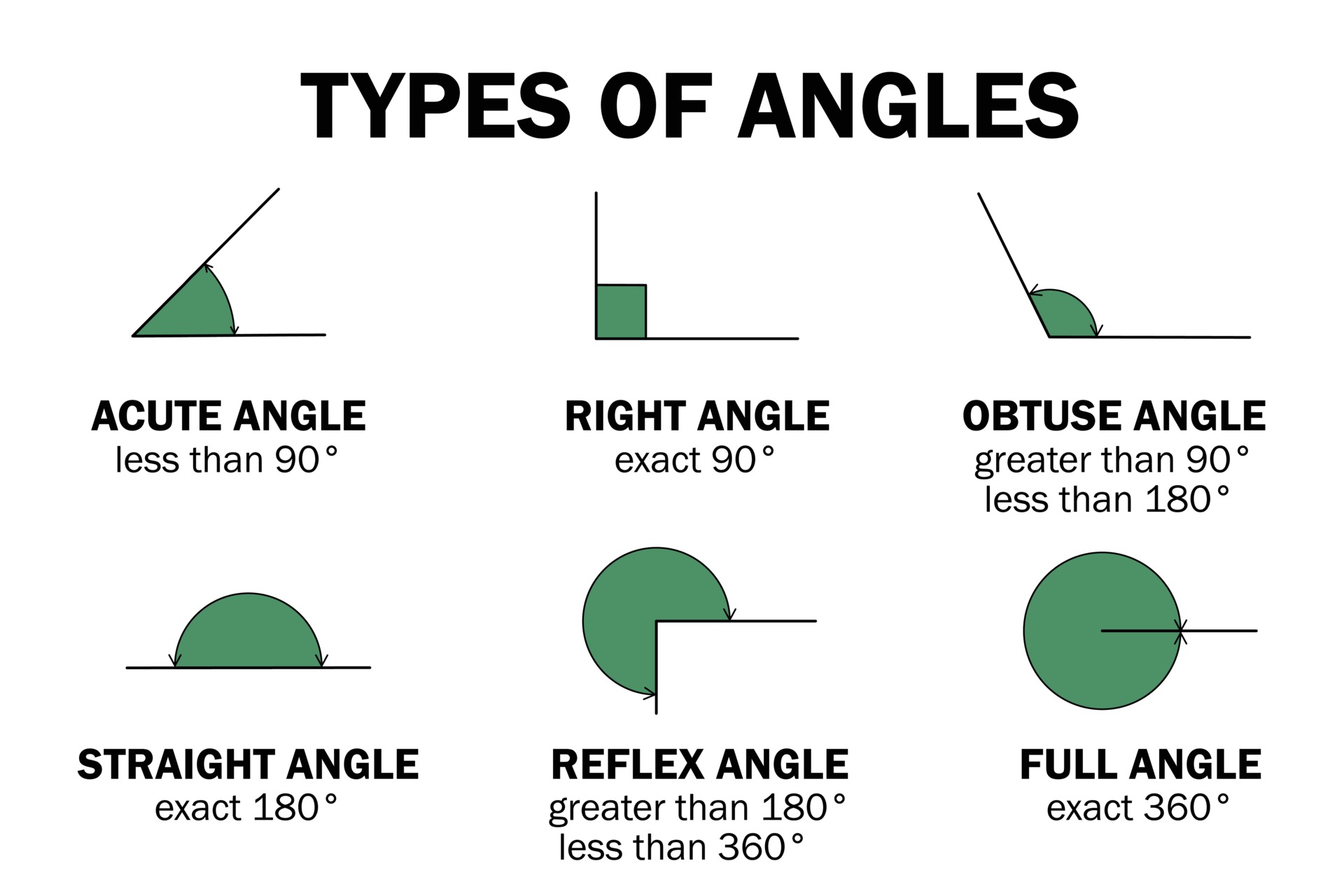
Types of degrees angles acute, right, obtuse, straight, reflex, full 3391828 Vector Art at

Expert Maths Tutoring in the UK Boost Your Scores with Cuemath
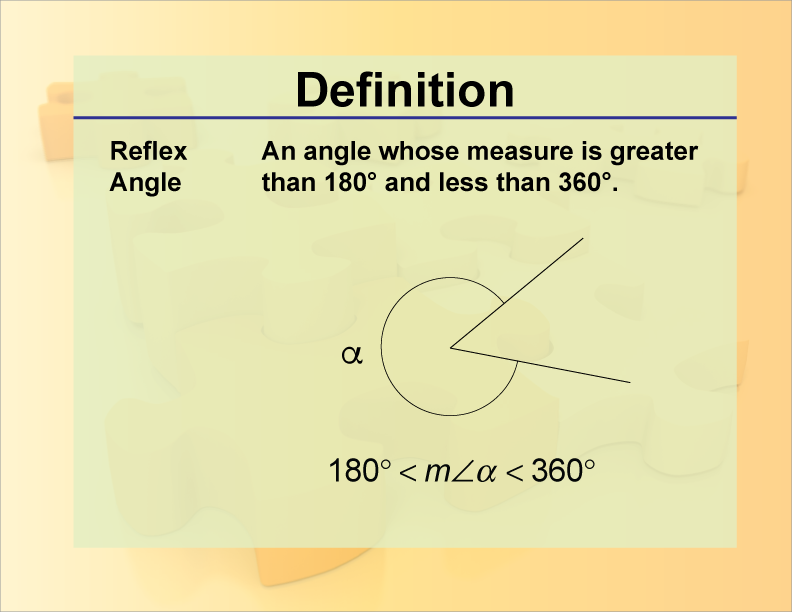
DefinitionAngle ConceptsReflex Angle Media4Math

Types of Angles Acute, Obtuse, Straight, Right, Reflex Angles

Explaining the reflex angle YouTube

Reflex Angle AGIMATH
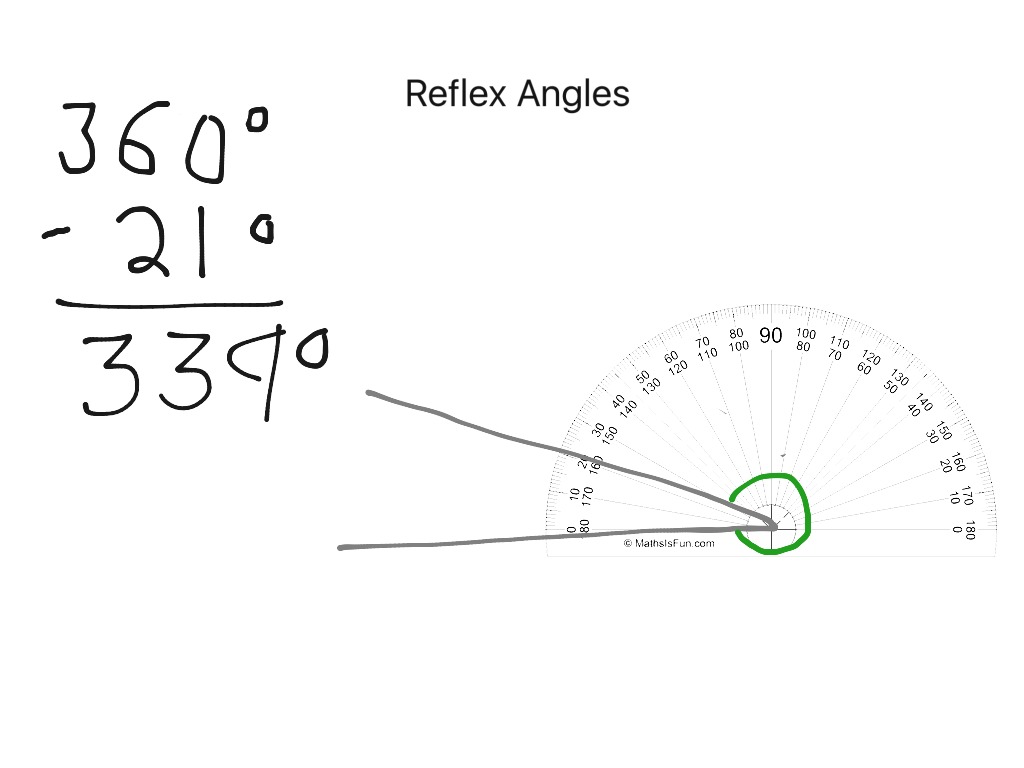
ShowMe reflex angles

What is a Reflex Angle Phoenixrilruarez
This angle always measures 90 °. An Obtuse angle measures more than 90° but less than 180°. A Straight angle or a half turn is always 180 °. Reflex is the next largest measuring more than 180° but less than 360°. We then have a full rotation or full circle at 360°.. A reflex angle is an angle that measures greater than 180 degrees and less than 360 degrees. Find its measure by first determining the measure of the corresponding acute or obtuse angle. Then.